

A 35-mile dark fibre metro ring in Kansas City, Missouri, recently delivered by Light Source Communications (LSC), is a good example of how hyperscalers and fibre builders can work together to deliver connectivity improvements that the whole market can benefit from. While the ring was built to suit the demands of a hyperscaler anchor tenant, four other data centres are also now connected. President and CSO Pete Empie Sr. and CEO Debra Freitas talked exclusively to Metro Connect about the project - how it came about, the challenges of building it, and what the industry can learn from the process.
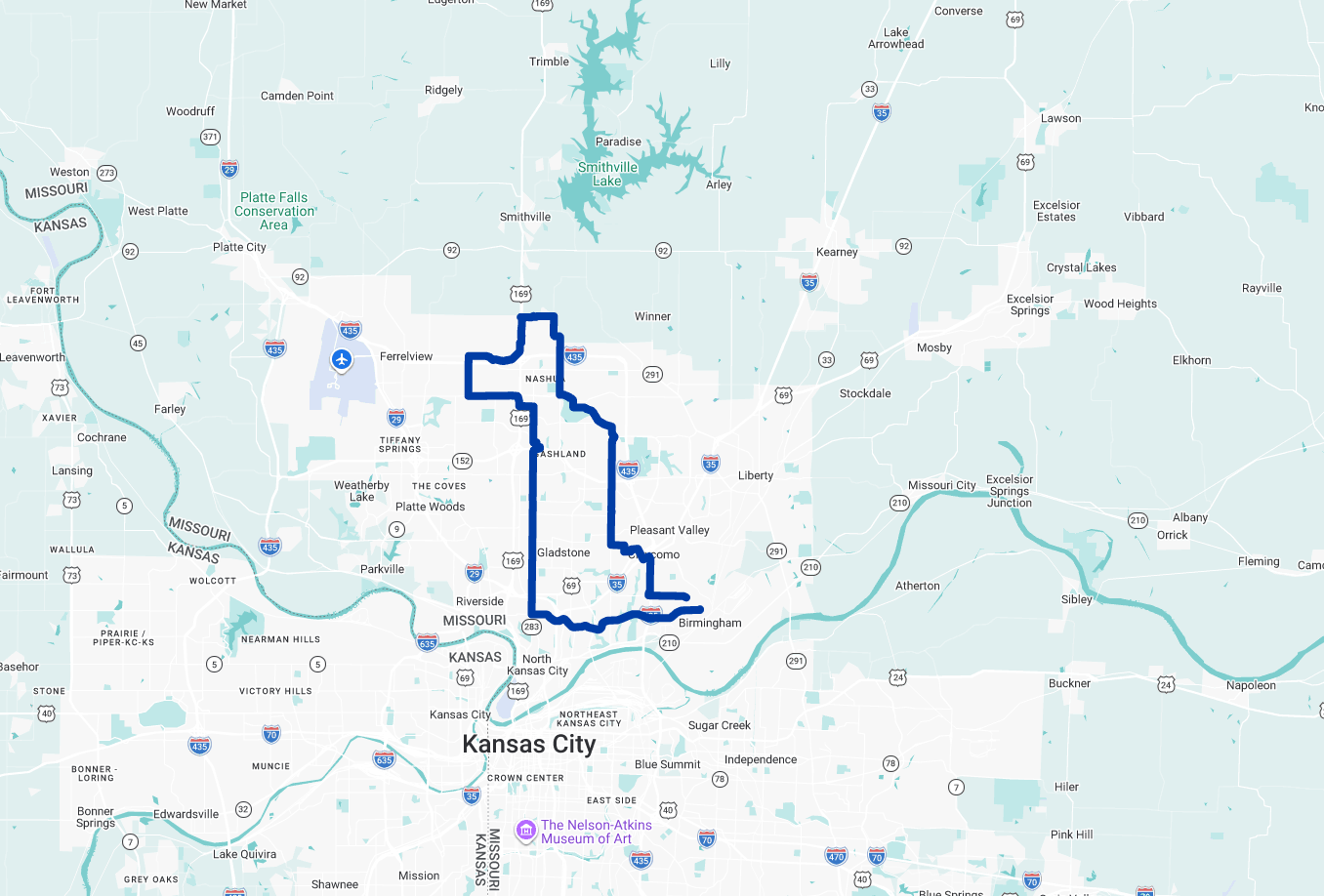
The development of the Kansas City project followed the philosophy of letting customer demand and requests decide where fibre gets put down, rather than the ‘build it and they will come’ model. “Light Source never speculates on routes,” said Freitas. “We are solution providers for our customers, so our customer needs dictate where we build routes. They give us an A and Z location, and Light Source designs those routes.” Demand-driven builds lower the commercial risk of expensive fibre builds, and LSC applied this model in Kansas City: “We go where our customers want.”
Meeting the challenges: permits and authority relations
One of the most significant hurdles in fibre deployment is navigating the complex landscape of state and municipal permitting, which can vary significantly almost by the mile. LSC’s strategy begins with securing state-level licensing as a public utility, which streamlines interactions with local authorities. “The first thing we always do in any route is get licensed in the state to make sure we are acknowledged as a public utility, which helps us move through the municipalities,” Freitas said. Each municipality presents unique requirements and challenges, so LSC employs local experts who understand both the terrain and the regulatory environment. “We employ folks who are experts in that area and help us manoeuvre those things. In the design and engineering process, we go to local folks who live there so they know the terrain and the right people in those municipalities to work with.”
Building relationships with municipal leaders doesn’t just speed up the build. It also strengthens community relationships - a particular issue with data centre construction. “We form a relationship with each municipality. We have agreements, and almost every one of them is individual, which has its challenges but is also a good thing. We get to know them and tailor our agreements to them,” said Empie.
Meeting the challenges: staffing and labor shortages
Labour shortages are a common concern in the fibre industry and across digital infrastructure, but LSC reported no such issues, partly due to longstanding contractor relationships and the nature of its projects being attractive to work on. “Light Source has a strong team of veteran telecom folks who have been in the industry 30-plus years as our exec team,” Freitas said. “We haven’t run into labour issues. We think it’s because we’ve built good relationships over the years and we try to partner with our subcontractors and EPC providers in ways that make them want to work with us again.” Pete Empie added, “Our projects are the cream of the crop for contractors.”

Meeting the challenges: what do data centers want?
When asked about the most important factors for servicing data centre clients, LSC’s leadership emphasised three core principles: route diversity, underground security, and future-proof capacity. “Data centre providers need diversity,” Freitas said. “The network is always most secure when it’s underground. Then future proofing, not just for us but for our customers. Getting as much capacity available to them for today and for their future is key.”
A key differentiator for LSC is its exclusive focus on dark fibre. “We are solely focused on dark fibre,” Empie explained. “We’re not looking for lit services or other types of products. Our hyperscalers love that fact.”
LSC’s experiences show the value of a laser focus, not just on what customers want, but also on a specific area of expertise, as prioritising dark fibre shows. As Freitas summarised, “We don’t speculate. We’re not chasing; we’re being invited” - showing the value for data centre builders of solidifying relationships with fibre providers and coming to agreements as early as possible.
Image courtesy of Light Source Communications